

Google Ads for Lawyers — Without the Tech Talk

Key Takeaways
- Google Ads can place a firm in front of someone actively seeking legal help, but the platform is easy to overspend on.
- This plain-English guide explains how the system works, what makes a legal campaign viable and where common breakdowns occur.
- It shows which questions to resolve before increasing budget.
When Google Ads Makes Sense—and When It May Not
When it makes sense: Paid search makes sense when people search for your service, your firm can afford a meaningful test and someone can respond to inquiries.
When to reconsider: Reconsider launching broad campaigns if the budget is too thin, the landing page is unclear or lead tracking is unreliable. Start with a defined practice area and market.
What Is Google Ads (in Plain English)?

Google Ads is the platform that lets you pay to show up at the top of Google search results. If someone types “divorce lawyer near me,” you can appear above the organic listings, even before the maps.
Google Ads allows your law firm to appear at the very top of search engine results pages (SERPs)—the pages users see after entering a query into a search engine like Google. This means your ad can be displayed above the organic search engine results, giving your firm maximum visibility. These ads are triggered by relevant google searches performed by users. Law firms can choose between different types of google ad campaigns, such as search campaigns and display network campaigns, to reach potential clients. Display ads can appear across the Google Display Network, which includes a wide range of websites and mobile apps, making it effective for brand awareness and retargeting campaigns. Since Google is the most widely used search engine, this is a powerful way for lawyers to reach potential clients right when they are searching for legal services.
You only pay when someone clicks your ad. It’s like renting the best billboard in town — but only being charged when someone walks in your office because of it.
Why Google Ads Works for Law Firms
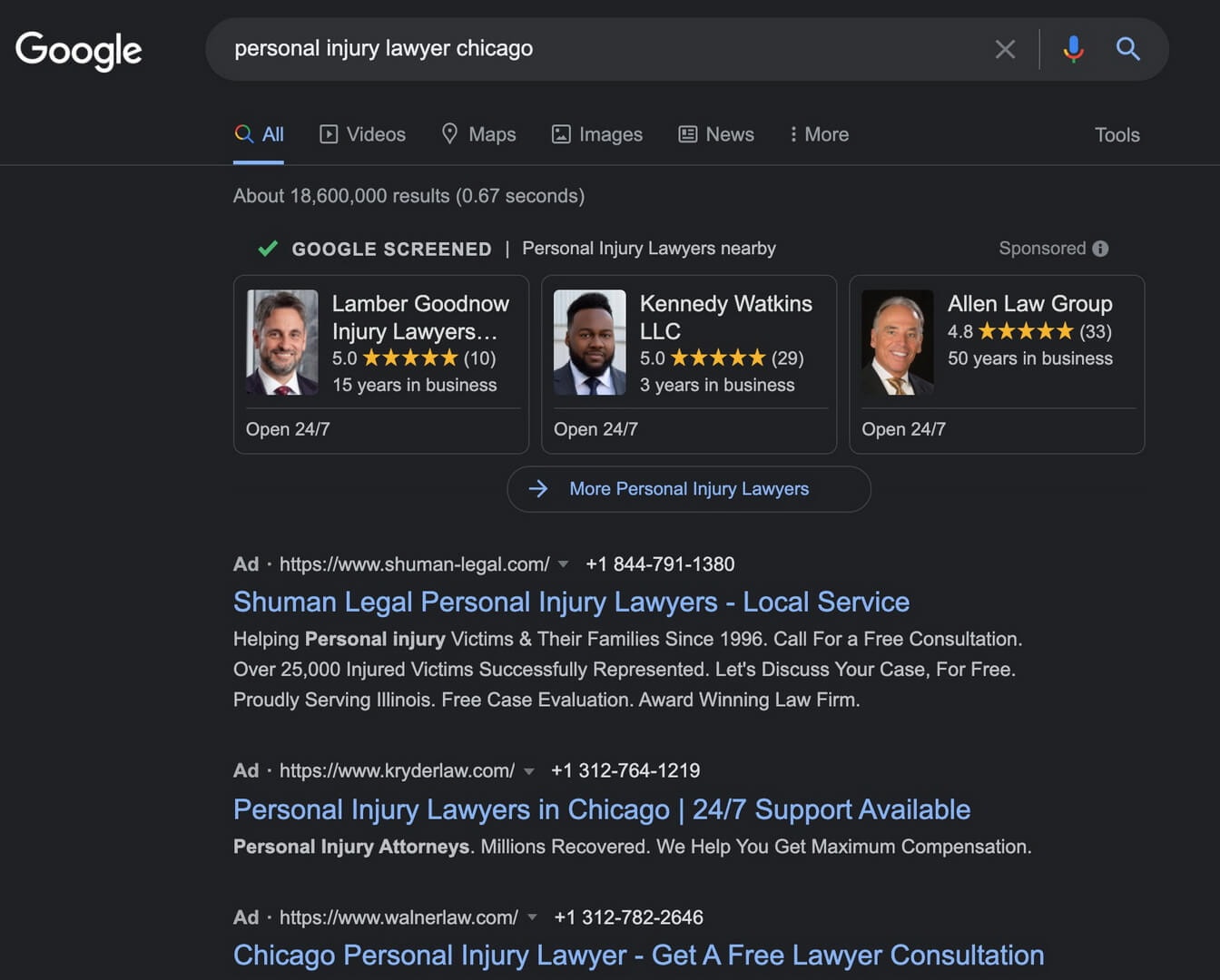
When people need a lawyer, they don’t wait around. They go to Google. Google Ads allows your law firm to reach potential clients at the exact moment they are searching for legal help.
That’s why search ads work so well — they connect your law firm with people already looking for help in your practice area.
Here’s why Google Ads is a game-changer:

- Immediate visibility: Skip the long wait for SEO or referrals.

- Highly targeted: Show up for searches like “DWI lawyer in [Your City]” or “child custody attorney.”
- Control your budget: Start small, scale when it works.
- Compelling ads: Creating compelling ads with clear calls-to-action helps your law firm stand out from competitors and attract more clicks.


If you’re running a criminal defense, family law, personal injury, or estate planning practice, Google Ads and these PPC marketing strategies are essential for your law firm’s growth and client acquisition.
How Much Does Google Ads Cost for Lawyers?
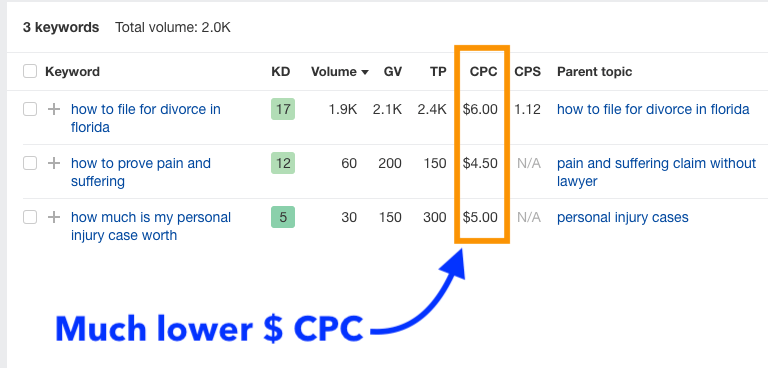
Let’s talk dollars. On average, law firms pay anywhere between $5 to $75 per click, depending on the competition in your area and practice area. Managing your ads budget is crucial for effective PPC advertising, especially in highly competitive fields like personal injury lawyers, where costs per click can be significantly higher. Strategic allocation of your ads budget, focusing on relevant keywords and using negative keywords, helps maximize your return on investment. Careful budget management and campaign optimization are essential for making the most of your law firm’s advertising spend.
Here’s a quick cheat sheet:
Practice Area | Typical Cost per Click | Monthly Starting Budget |
|---|---|---|
Criminal Defense | $10 – $40 | $1,500 – $3,000 |
Divorce / Family Law | $8 – $30 | $1,000 – $2,500 |
Personal Injury | $50 – $150+ | $3,000 – $10,000+ |
Estate Planning | $5 – $20 | $750 – $2,000 |
Practice Area
Typical Cost per Click
Monthly Starting Budget
Criminal Defense
$10 – $40
$1,500 – $3,000
Divorce / Family Law
$8 – $30
$1,000 – $2,500
Personal Injury
$50 – $150+
$3,000 – $10,000+
Estate Planning
$5 – $20
$750 – $2,000
Note: You don’t need to be the biggest spender. You just need to be smarter with targeting and tracking results. Also, keep in mind that display ads based on targeted keywords may have different cost structures compared to search ads.
How Many Leads Can You Expect from Google Ads?

Here’s a rough idea of what you can expect from a $2,000 monthly budget:
- Clicks: 100–200
- Calls or form submissions: 15–30
- Signed clients: 3–8 (depending on your intake process)
But it’s not just about the numbers. It’s about getting in front of the right people at the exact moment they’re searching for your services. By using targeted keywords and making sure to target specific keywords relevant to your legal services, you ensure your ad appears in front of the most relevant audience, increasing the likelihood of quality leads.
How to Set Up a Google Ads Campaign (No Tech Degree Needed)
Getting started with Google Ads doesn’t require a computer science degree—just a little know-how and a clear plan. First, set up your Google Ads account. Once you’re in, you’ll choose the type of campaign you want to run. For most law firms, search ads are the best place to start, since they put your firm right in front of people searching for legal services.
Next, decide on your ads campaign budget. You’re in control here—set a daily or monthly limit that fits your comfort zone.
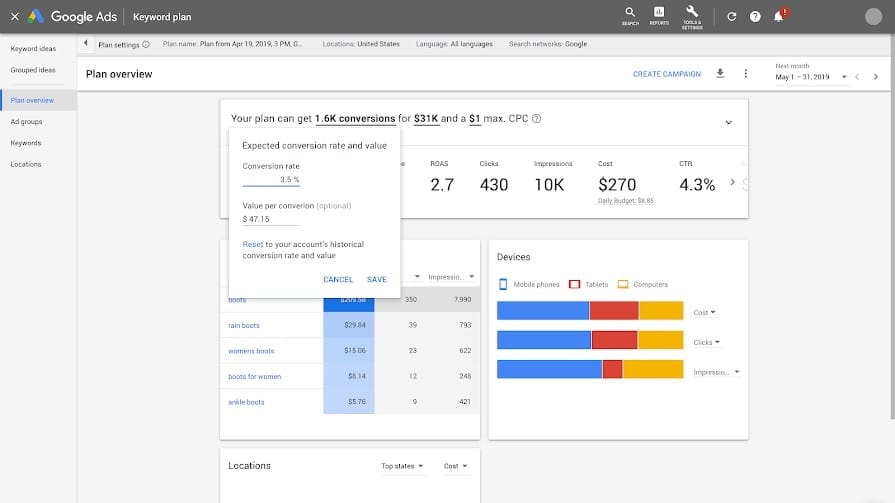
Now comes keyword research. Use tools like Google Keyword Planner to find relevant keywords and specific keyword phrases, including long-tail keywords and exact match options, that your prospective clients are actually typing into Google. Consider using both broad match and exact match keyword types to balance reach and targeting. Think about the questions or problems your target audience has, and build your keyword list around those. Don’t forget to add negative keywords and build a negative keyword list to filter out irrelevant searches and reduce wasted ad spend.
Once you have your keywords, create ad groups by organizing them into groups based on themes or practice areas. Creating ad groups allows you to target distinct audience segments more effectively and improve ad relevance. This helps you show the right ad to the right person at the right time.
With your campaign structure in place, you’re ready to launch your campaign. Setting up an effective google ads campaign means tailoring your strategy, optimizing your keywords, and focusing on generating relevant leads for the best results. For best results, focus on optimizing your google ad campaigns and setting up a ppc campaign that brings more potential clients to your law firm’s website.
Organizing Your Ad Groups (Simple Structure, Big Results)
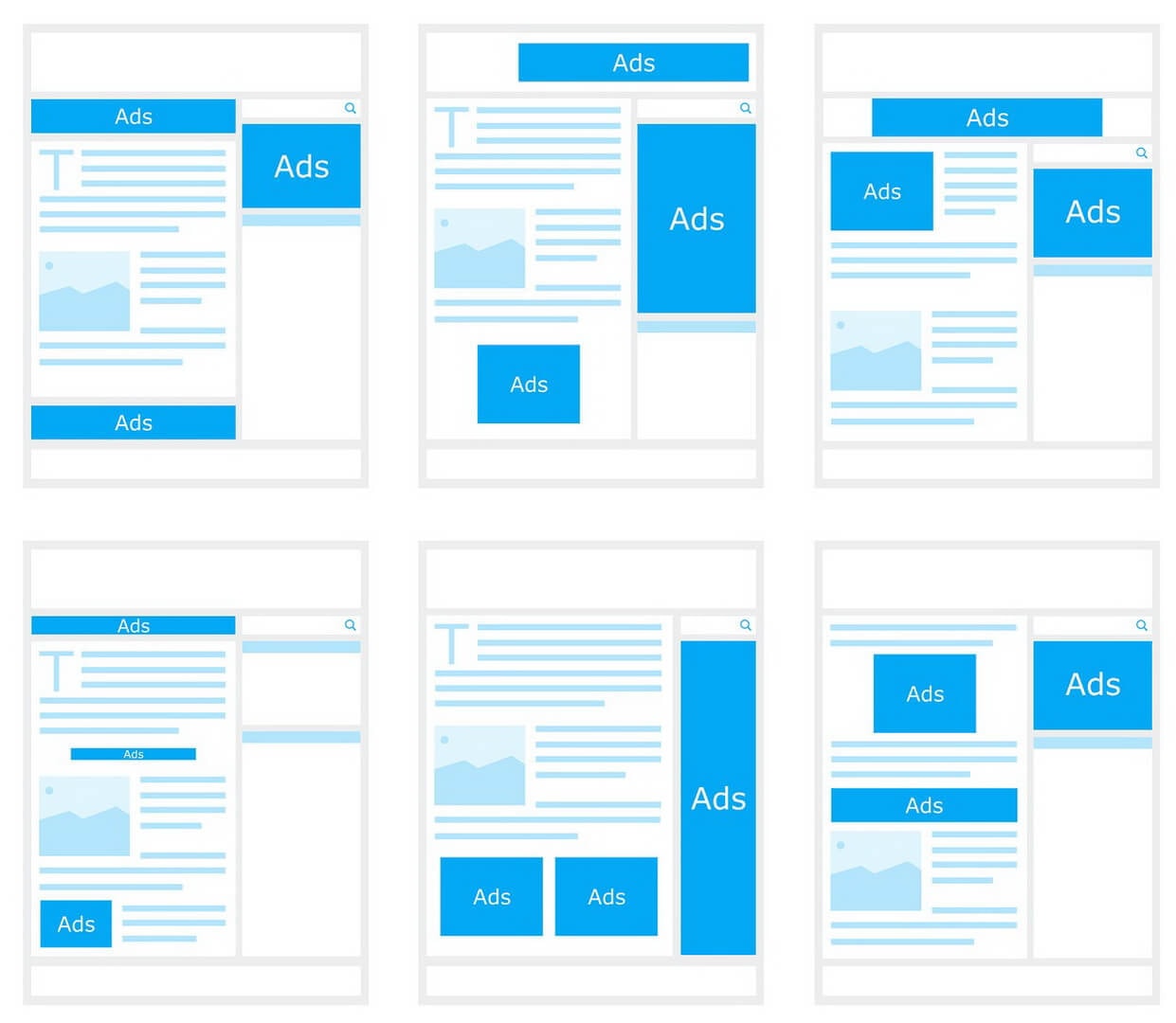
When it comes to running a successful Google Ads campaign for your law firm, how you organize your ad groups can make all the difference. Think of ad groups as folders—each one should focus on a single keyword or a tightly related set of keywords. This approach, known as single keyword ad groups, lets you create highly targeted ad copy that speaks directly to what your prospective clients are searching for.
For example, if you’re a personal injury lawyer, you might have one ad group for “car accident lawyer” and another for “slip and fall attorney.” This way, your ads are always relevant to the search, which boosts your click through rates and ad relevance. Plus, Google rewards this kind of focus with higher quality scores, which can lower your ad spend.
Don’t forget to use ad extensions like site links and callouts to give searchers more reasons to choose your firm—think links to your practice areas or highlights like “free consultation.” By keeping your ad groups simple and focused, you’ll improve your Google Ads marketing strategy, attract more qualified leads, and get better results from every dollar you invest.
How to Create Ads That Actually Work
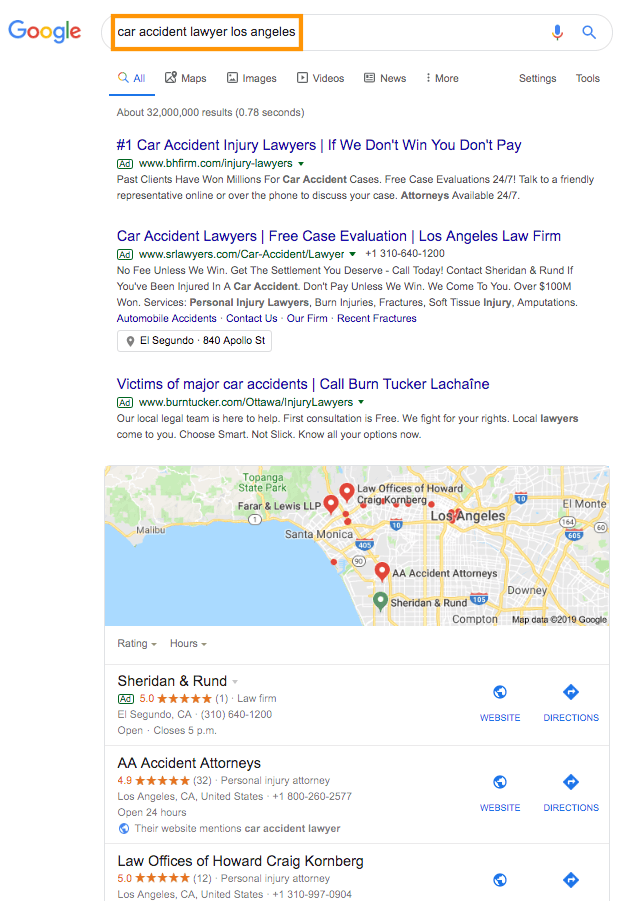
The secret to a successful google ads campaign is writing compelling ads that grab attention and get results. It’s important to create and test multiple versions of the same ad to see which performs best. Optimizing your search ad is crucial for improving visibility and attracting the right clients. Start with ad copy that speaks directly to your target audience—be clear about what your law firm offers and why someone should choose you. Use your target keywords naturally in your headlines and descriptions to make your ads more relevant.
Don’t forget to add ad extensions, like site links to your practice areas or callouts highlighting a free consultation. These extras make your ads stand out and give searchers more reasons to click.
You can use PPC ads in various formats, including text, image, and video ads, to engage potential clients and increase your visibility on search results.
A strong call-to-action is a must. Phrases like “Get a Free Consultation” or “Speak to a Lawyer Today” encourage people to take the next step.
Finally, use negative keywords to filter out irrelevant searches—like people looking for free legal advice or unrelated services. This keeps your ads campaign focused on the clients you actually want, improves your click through rate, and helps you get the most from your ad spend.
Before launching, use Google’s ad preview tool to review how your ads will appear in search results and ensure they look their best on both desktop and mobile.
Keyword Research: Finding the Right Clients (Without the Jargon)

Keyword research doesn’t have to be complicated. The goal is to find the relevant keywords your potential clients are actually typing into Google when they need legal help. Start by using Google Keyword Planner to discover what people are searching for in your area and practice.
Focus on long tail keywords—these are more specific phrases like “personal injury lawyer in Chicago” or “car accident lawyer near me.” They’re less competitive and more likely to attract clients who are ready to hire. Don’t forget to add negative keywords to your Google Ads campaign to filter out searches that aren’t a good fit, like “free legal advice” or unrelated legal topics.
By targeting the right keywords and excluding the wrong ones, your law firm can create ad campaigns that reach your ideal audience, drive more qualified website traffic, and ultimately bring in more clients. Smart keyword research is the foundation of every successful Google Ads campaign.
Bidding Strategies: How Much Should You Really Pay Per Click?

Setting the right bid for your Google Ads campaigns is all about balance—pay enough to get noticed, but not so much that you waste your ad spend. Law firms should base their cost-per-click (CPC) on what a new client is worth to their practice. Google Ads offers smart bidding strategies like cost-per-acquisition (CPA) and target return on ad spend (ROAS), which help you focus your budget on the clicks most likely to turn into qualified leads.
Keep in mind, your ad’s position and performance also depend on factors like ad relevance, landing page quality, and how well your landing page is optimized for conversions. By monitoring your results and adjusting your bids, you can make sure you’re getting the best possible return on investment—driving more potential clients to your landing page without overspending.
Landing Pages: Turning Clicks into Clients

Once someone clicks your ad, your landing page needs to seal the deal. This isn’t the place for generic information—your landing page should match your ad copy and speak directly to the needs of your potential clients. Landing page optimization is essential for converting clicks into clients, ensuring your Google Ads campaigns deliver the best possible results.
Start with a strong headline that makes it clear what your law firm does and how you can help. Use a simple, easy-to-find form or phone number so visitors can contact you without hassle. Trust signals—like client testimonials, reviews, or professional certifications—help build credibility and reassure visitors they’re in the right place. Your law firm’s website serves as the central hub for client engagement and should be optimized for both SEO and advertising success.
Optimize your landing page for search engines by including phrase match keywords and long tail keywords related to your services. While search engine optimization (SEO) is typically used to improve organic search rankings for your law firm’s website, landing page optimization for PPC focuses on maximizing conversions rather than organic traffic. This not only helps with ad relevance but can also boost your organic search visibility.
The goal is simple: make it as easy as possible for someone to go from interested searcher to new client.
Ad Extensions: Easy Ways to Make Your Ads Stand Out

Ad extensions are one of the simplest ways to make your Google Ads pop and give potential clients more reasons to choose your law firm. With site links, you can direct searchers to specific pages on your website, like your practice areas or attorney bios. Callouts let you highlight what makes your firm unique—think “free consultation,” “no fee unless you win,” or “available 24/7.”
Adding call extensions puts your phone number right in the ad, making it easy for clients to call you directly from the search results. These extra features not only make your ads more visible, but they also boost your click through rates and help you stand out from the competition. For law firms, using ad extensions is a quick win that can lead to more calls, more leads, and more clients.
What Makes Google Ads Work (Without Getting Technical)
Let’s break it down to the essentials:
- Ad Campaign: Structure your ad campaign carefully to maximize conversions and ROI. Make sure to comply with google advertising policies to avoid violations and ensure your ads run effectively.
- Ad Copy: Say exactly what you do and who you help. Example: “Aggressive Criminal Defense in Newark – Free Consult.”
- Keywords: Choose search terms people actually use, like “DWI lawyer near me” or “how to fight a restraining order.”
- Landing Pages: Send people to a page that makes it easy to call, book, or fill out a form. Not your homepage.
- Call Tracking: Use a unique phone number so you know exactly which calls came from the ads.



No need to get lost in the weeds — these are the key ingredients.
For law firms, consider using services ads, such as local service ads, to boost your local search visibility. Earning the google screened badge through these ads helps build trust with potential clients by showing your legal credentials are verified.
Measuring Results (Without the Geek Speak)

You don’t need to be a data scientist to know if your google ads campaign is working. Google Ads gives you straightforward numbers to track, so you can see what’s bringing in business.
Start with your click through rate (CTR)—this tells you how many people are clicking your ads compared to how many times your ads appear. A higher CTR usually means your ad copy and targeting are on point.
Next, look at your conversion rate. This shows how many visitors are taking action, like filling out a form or calling your law firm. Tools like Google Analytics can help you see where your website traffic is coming from and what visitors do once they land on your site.
Use the ad preview tool to see how your ads look in real time on both desktop and mobile, and compare your ads to top-performing competitor ads for inspiration.
Keep an eye on your ad spend and compare it to the number of leads or clients you’re getting. If something isn’t working, adjust your specific keywords, ad copy, or landing page to improve your ad relevance and results. Make sure to review your negative keyword list regularly to exclude irrelevant searches and reduce wasted spend.
Track results across different google ad campaigns, including display network campaigns, to get a complete picture of your performance and optimize based on what works best.
By regularly checking these simple metrics, you can fine-tune your ads campaign and make sure your marketing dollars are bringing in real business.
Optimizing Your Google Ads Campaigns: Simple Tweaks for Better Results
Getting the most out of your Google Ads campaigns doesn’t mean you need to overhaul everything—sometimes, a few smart tweaks can make a big difference for law firms looking to attract more prospective clients and maximize their ad spend.
One of the easiest ways to boost your results is by using negative keywords. These are words or phrases you add to your campaign to make sure your ads don’t show up for irrelevant searches. For example, if you’re a personal injury lawyer, you might add “free consultation” as a negative keyword if you want to avoid people who aren’t ready to hire and are just looking for free advice. This helps you focus your budget on the people most likely to become clients.
Another simple optimization is to use phrase match keywords. With phrase match, your ads appear only when someone’s search includes your exact phrase, making your ads more relevant and reducing wasted clicks. This means your ad is more likely to reach people who are actually looking for your legal services, not just browsing.
Don’t forget about your landing pages. Make sure they’re mobile-friendly, load quickly, and have a clear call-to-action—like a phone number or contact form—so prospective clients can reach you easily. The easier it is for someone to take the next step, the higher your conversion rates will be.
By focusing on negative keywords, phrase match keywords, and landing page improvements, law firms can fine-tune their Google Ads campaigns for better ad relevance, less wasted ad spend, and more qualified leads.
Conversion Rates: What They Are and How to Improve Them
Conversion rates are a simple but powerful metric: they tell you what percentage of people who click your ad actually take the next step—like filling out a contact form, calling your office, or scheduling a consultation. For law firms, a higher conversion rate means more qualified leads from the same ad spend.
So, how do you improve your conversion rates? Start by writing compelling ads that match what your prospective clients are searching for. Make sure your ad copy is clear, direct, and includes a strong call-to-action—like “Get a Free Case Review” or “Speak to a Lawyer Today.”
Ad extensions are another easy win. By adding site links to your practice areas or callouts like “No Fee Unless You Win,” you give users more reasons to click and make your ad stand out in search results.
Once someone clicks, your landing page should deliver exactly what your ad promised. Keep it focused, relevant, and highlight your value proposition—why should someone choose your law firm over the competition?
Finally, track your conversion rates and use the data to refine your Google Ads campaigns. Small changes to your ads, ad extensions, or landing pages can lead to more qualified leads and better results for your law firm.
Best Practices for Google Ads (Lawyer Edition)
Want to run a successful Google Ads campaign for your law firm? Stick to these best practices tailored for the legal industry:
- Start with smart keyword research. Use Google Keyword Planner to find targeted keywords that your prospective clients are actually searching for. Focus on terms specific to your practice area and location.
- Create single keyword ad groups. By grouping ads around one targeted keyword or a tightly related set, you boost ad relevance and keep costs down.
- Use exact match and phrase match keywords. These help your ads appear only for the most relevant searches, so you avoid wasting budget on broad match keywords that attract the wrong audience.
- Leverage local services ads. These services ads put your law firm at the top of local search results, making it easy for people in your area to find and contact you when they need legal services.
- Continuously monitor and optimize. Regularly review your Google Ads campaigns, test new ad copy, and adjust your ad groups and keywords to stay ahead of the competition.
By following these best practices—focused keyword research, smart ad group structure, and ongoing optimization—law firms can create Google Ads campaigns that attract more prospective clients, improve ad relevance, and drive real growth in the legal industry.
Common Mistakes to Avoid

Even great lawyers can lose money on Google Ads if they fall into these traps:

- Targeting too broadly: Don’t waste money on people looking for free legal help or unrelated services. Make sure your ad campaign is structured to focus on the right target keyword to avoid wasted spend.
- No call tracking: You won’t know what’s working if you can’t measure it.
- Bad intake process: If no one answers the phone or follows up quickly, you’re throwing money away.
- Ignoring display ad placements: Display ads can appear on over two million websites and mobile apps, so it’s important to monitor where your ads are shown as part of your ppc campaigns.



Do You Need an Agency to Run This?

Not necessarily — but unless you’re willing to learn the platform and optimize every week, it’s smart to hire a pro.
The best agencies for law firms will:
- Set up ads aligned with your goals
- Set up and optimize your PPC campaign and Google Ads for law to reach the right clients
- Protect your budget from wasted clicks
- Track every lead and adjust based on performance
- Send you clear, human reports (no tech-speak)
Look for a partner who understands legal marketing, not just Google Ads. Agencies can also help optimize your law firm’s website to improve ad performance and increase conversions.
What to Measure Through to Signed Clients
Review spend, qualified inquiries, consultations and signed clients for each campaign. Calculate total cost per signed client and compare it with collected fees and the cost of delivering the work. Track irrelevant inquiries and lost opportunities so changes improve lead quality rather than just reducing click costs.