

Key Takeaways
- A low cost per lead can hide poor lead quality, weak follow-up or unprofitable matters.
- This guide follows the measurement path from click through inquiry, consultation and signed client.
- It explains what law firms need to connect before they can make confident budget decisions.
When Better Attribution Is Worth the Investment
When it makes sense: This approach makes sense whenever the firm needs to decide which marketing investments to retain, change or stop.
When to reconsider: Reconsider building an elaborate dashboard before source fields and client statuses are reliable. Start with a simple, consistently maintained report and add complexity only when it improves a decision.
Why Most Law Firms Can’t Track Marketing ROI

Most law firms are running campaigns with good intentions, but their systems are disconnected.
Here’s what I commonly see:
Google Ads is running, but no one knows which keyword produced the retained client
Meta Ads is generating leads, but the firm can’t tell if they were qualified or just noise
The firm is paying for Justia or other directories, but there’s no clean way to prove ROI
Calls are coming in, but there’s no call tracking, no recordings, and no lead quality review
The firm has chat on the website, but the conversations don’t flow into the intake system
Intake software (Lawmatics, Clio Grow, Lead Docket, etc.) is being used… but it’s not capturing source data consistently
So the firm ends up with the most common situation in legal marketing:
Money goes out. Leads come in. But ROI is unclear.
That creates uncertainty, and uncertainty kills good marketing decisions.
The #1 Mistake: Tracking “Leads” Instead of Tracking “Retained Clients”

A lot of marketing reporting looks like this:
impressions
clicks
cost per click
leads
cost per lead
But law firms don’t run on leads.
They run on:
✅ signed retainers
✅ cases opened
✅ revenue collected
The truth is, a “lead” can mean almost anything:
someone outside your state
someone with no case
someone who can’t afford your fees
someone who never answers the phone again
So when a marketing agency says “we got you 40 leads,” the real question is:
How many turned into retained clients?
That’s the only metric that matters.
What “Tracking ROI” Actually Means for a Law Firm

Tracking ROI isn’t complicated—but it does require the right setup.
At a minimum, you should be able to answer:
Where did this lead come from?
Google Ads?
Meta?
Justia?
Organic search?
Referral?
Previous client?
Was the lead qualified?
right practice area
right location
financially viable
real legal issue
Did the lead retain the firm?
signed engagement letter
paid retainer
case opened
What was the value of that client?
estimated case value
retainer amount
revenue collected
When you can track those 4 things consistently, you can finally calculate:
True Law Firm ROI by Channel
Example:
Google Ads: $6,000 spend → 4 retained clients → $32,000 revenue
Meta Ads: $2,500 spend → 0 retained clients → $0 revenue
Justia: $1,200 spend → 1 retained client → $8,000 revenue
That’s how you stop wasting money and start investing with confidence.
The “Click to Client” Flow (The Simple System You Need)
To track ROI properly, you need one clean pipeline:
Click → Call/Form/Chat → Intake → Consult → Retained → Revenue
If even one part of that chain breaks, your ROI becomes unclear.
Let’s break it down.
Step 1: Track Every Click (So You Know Where Leads Come From)
If you run ads or directory listings, you need consistent tracking links.
That means using UTM parameters.
UTMs are short tracking tags added to your URLs that tell your systems:
what platform the lead came from
what campaign generated it
what ad or content was clicked
Example (simplified):
Source: google
Medium: cpc
Campaign: personal_injury_search
Content: ad_1
Without UTMs, many leads show up in your reporting as:
“Direct”
“Unknown”
“Website”
“Google”
That’s not good enough if you’re trying to track ROI.
Goal: every campaign link should be traceable.
Step 2: Track Every Phone Call (Because Calls Are Where Retainers Come From)

For most law firms, phone calls are the #1 conversion channel.
But here’s the issue:
If you don’t have call tracking, you have no idea:
which campaigns generate calls
which calls are qualified
which calls convert to clients
What law firms should track on calls:
which channel generated the call (Google Ads, SEO, directory, etc.)
call duration
missed vs answered calls
recordings (for quality control)
call outcome (qualified / unqualified)
This is the missing link for a lot of firms.
Because even if your forms are tracked perfectly…
your best cases are often coming from phone calls.
Step 3: Track Forms Properly (Not Just “Someone Filled Out a Form”)

A form submission is only valuable if you can answer:
what page they came from
what campaign sent them
what practice area they need
how quickly your team responded
A good form setup captures:
name, phone, email
client details and case details
case type/practice area
location (state/county)
preferred contact method
source (captured automatically)
And most importantly:It should automatically create a new lead inside your intake software. Automating the creation and signing of legal documents, such as retainer agreements, can further streamline the intake process.
Step 4: Connect Chat Leads Into Intake (So Nothing Gets Lost)
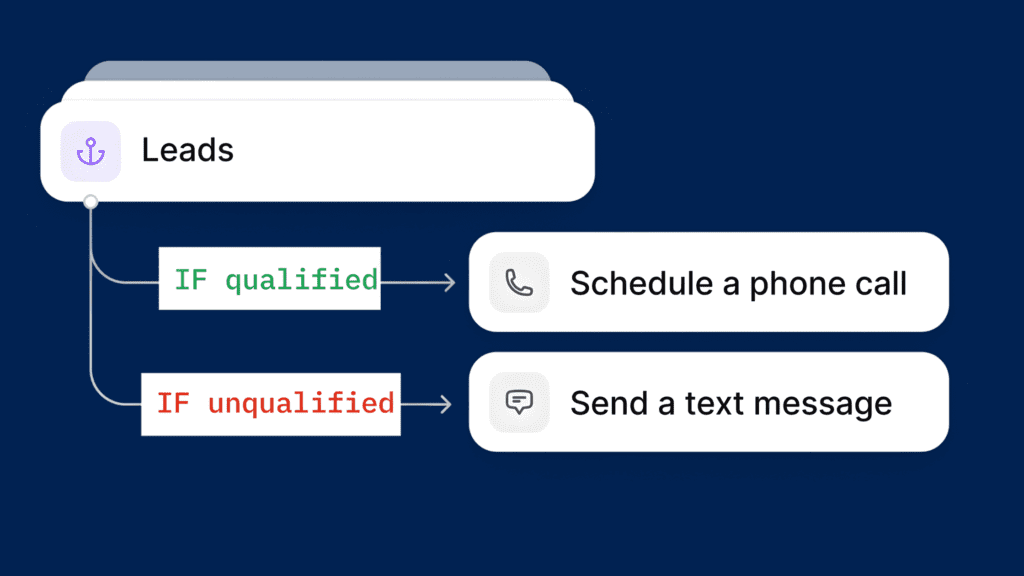
A lot of firms have chat on their website, but it operates like a separate universe.
That creates problems:
chat leads don’t enter the CRM automatically
intake staff has to manually copy/paste
leads don’t get followed up quickly
marketing attribution gets lost
If you’re paying for chat, it should:
create a lead automatically
assign the lead to the right person
capture the source and landing page
show up in reporting like any other lead
Step 5: Make Your Intake Software the “Source of Truth”
Whether you use:
Lawmatics
Clio Grow
Lead Docket
another intake/CRM platform
…it needs to be the place where all leads land and get tracked.
Your intake pipeline should include stages like:
New Lead
Contacted
Qualified
Consultation Scheduled
Consultation Completed
Retained / Signed
Not Retained / Lost
Most firms stop at “New Lead” and “Consultation.”
But ROI requires one extra step:
✅ Retained (Signed Client)
Because marketing ROI is measured in retained clients—not leads.
Leveraging Law Firm CRM to Connect Marketing and Client Data
For law firms looking to maximize the impact of their marketing, leveraging a law firm CRM is a game-changer. A robust intake solution acts as the central nervous system of your firm, connecting marketing data with client information to create a seamless flow from lead generation to client retention. By streamlining client communication and relationship management, a law firm CRM empowers your team to work more efficiently, make data-driven decisions, and ultimately drive firm performance and revenue growth.
With all your leads, client interactions, and marketing touchpoints organized in one place, your firm can quickly identify which strategies are working, where to focus your efforts, and how to nurture relationships that lead to long-term growth. The result? Less time spent chasing information, more time building valuable client relationships, and a clear path to increased efficiency and profitability.
How CRM bridges the gap between marketing and client retention

A law office CRM software is more than just a digital address book—it’s the bridge that connects your marketing efforts to lasting client relationships. By centralizing all client interactions, tracking every lead, and capturing key data points, legal CRM software gives law firms a 360-degree view of each client’s journey.
This integration means you can see exactly how a potential client found your firm, what communications they’ve received, and how they’ve engaged with your team. With these insights, your firm can tailor follow-up strategies, personalize client communication, and address client needs more effectively. The result is stronger client relationships, higher retention rates, and a competitive advantage in the legal market.
Effective client relationship management powered by CRM software doesn’t just help you win new business—it helps you keep it. By understanding what drives client satisfaction and loyalty, your firm can refine its strategies, deliver better service, and consistently improve firm performance.
Key CRM features for law firm ROI tracking
To truly measure and maximize your marketing ROI, your law firm CRM should offer features that go beyond basic contact management. Look for CRM software that includes:
Lead management: Track every lead from initial inquiry through the client intake process, ensuring no opportunity slips through the cracks.
Client intake: Streamline the client intake process with automated workflows, making it easy to capture essential information and move leads through your pipeline efficiently.
Reporting systems: Access real-time insights into firm performance, marketing effectiveness, and revenue generation, so you can make informed decisions.
Document management and sharing: Securely store, organize, and share documents with clients and team members, improving collaboration and client communication.
Workflow automation: Automate routine tasks to free up your team’s time and allow them to focus on high-value activities that drive growth.
By leveraging these CRM features, law firms can work smarter, not harder—streamlining processes, improving client communication, and focusing on strategies that generate valuable leads and revenue.
Integrating CRM with intake and reporting systems
The true power of a law firm CRM is unlocked when it’s fully integrated with your intake and reporting systems. This integration allows law firms to automate repetitive tasks, reduce manual data entry, and gain real-time visibility into every stage of the client journey.
Step 6: Track Lead Quality (So You Can Stop Paying for Junk)
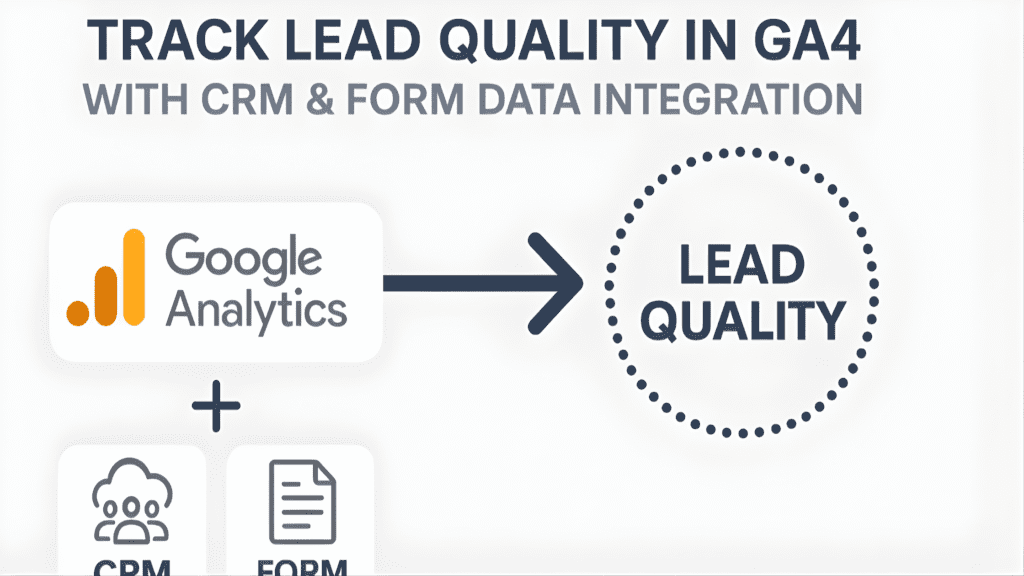
Law firms don’t just want more leads.
They want better leads. Lead management systems can help law firms track leads from first contact through to signing, ensuring that every prospective client is monitored throughout the intake process.
The biggest hidden cost in legal marketing is wasted intake time.
Unqualified leads create:
low conversion rates
staff burnout
missed opportunities (because the team is busy chasing junk)
“marketing doesn’t work” frustration
Automating lead management can help law firms process a higher volume of leads and convert more prospects into clients.
A simple lead quality process:
For every lead, your intake team should mark:
Qualified? (Yes/No)
Practice area
Reason unqualified (wrong state, no case, price shopping, etc.)
Retained? (Yes/No)
Estimated value
This takes seconds per lead, but it completely changes your ability to optimize.
Now you can answer:
which channel brings the best leads
which campaign brings retained clients
which source is wasting money
Step 7: Build ROI Reporting That Lawyers Actually Understand

Most marketing dashboards are built for marketers.
Lawyers don’t want a report full of charts and buzzwords.
They want something clear:
ROI Report Example (Simple + Powerful)
Channel | Spend | Leads | Qualified Leads | Retained Clients | Cost per Retained | Revenue | ROI |
|---|---|---|---|---|---|---|---|
Google Ads | $6,000 | 42 | 18 | 4 | $1,500 | $32,000 | 5.3x |
Meta Ads | $2,500 | 38 | 6 | 0 | — | $0 | 0x |
Justia | $1,200 | 9 | 5 | 1 | $1,200 | $8,000 | 6.7x |
SEO | $3,000 | 25 | 14 | 3 | $1,000 | $24,000 | 8x |
That’s a report a law firm partner can understand in 30 seconds.
And it answers the real questions:
What’s working?
What’s wasting money?
Where should we invest next month?
The Most Common Reasons Law Firm Marketing ROI Is “Unclear”
If your ROI feels unclear, it’s usually one of these issues:
1) “Unknown source” leads
Your intake software shows “Website” or “Direct” for everything.
2) No call tracking
You can’t tie phone calls back to campaigns.
3) No retained client tracking
Leads are tracked, but signed cases aren’t.
4) No lead quality scoring
You can’t tell good leads from junk leads.
5) Systems don’t talk to each other
Ads, website, chat, calls, intake are all disconnected.
6) Marketing reports are not built for decision-making
They show activity, not profitability.
What You Can Do This Week (Quick Wins)
If you want immediate improvements, here are quick wins that make a big impact:
✅ Quick Win #1: Standardize Lead Source Fields in Intake
Make sure every lead has:
source
campaign (if paid)
practice area
status (qualified / not)
retained (yes/no)
✅ Quick Win #2: Add Call Tracking to Your Highest-Spend Channels
Start with:
Google Ads
Local Services Ads
Justia (or any directory you pay for)
✅ Quick Win #3: Create One ROI Dashboard
Even a basic spreadsheet works if it includes:
spend
retained clients
revenue
ROI
✅ Quick Win #4: Review 10 Call Recordings Per Week
You’ll quickly find:
missed opportunities
intake scripting issues
low-quality lead sources
Why Agencies Often Don’t Set This Up (Even If They’re Good)

This part surprises a lot of lawyers.
Even good agencies may not set up full attribution because:
it requires technical setup across multiple tools
it requires cooperation from intake staff
it requires CRM configuration
it requires offline conversion tracking
it requires ongoing maintenance
So agencies focus on what they can control:
traffic
leads
cost per lead
But law firms don’t need more leads.
They need more retained clients.
And that requires attribution + intake + reporting working together.
ROI Clarity Creates Growth
When your tracking is set up properly, you stop guessing.
You’ll know:
which channels drive retained clients
which campaigns waste money
which practice areas are most profitable
how to scale without chaos
And most importantly:
You’ll finally be able to make marketing decisions based on facts, not opinions.
What to Measure Through to Signed Clients
Report total acquisition spend, qualified inquiries, consultations, signed clients and collected revenue for a consistent cohort. Calculate cost per signed client from total acquisition spend divided by signed clients; do not count duplicates. For profitability, also account for legal delivery costs, collection timing and the limits of your attribution model.