

Introduction: Search Has Changed—and Family Law Firms Feel It First
Search engine marketing is no longer just about ranking #1 on Google for “divorce lawyer near me.” The way people search for legal help—especially emotionally charged, high-stakes help like family law—has fundamentally changed.
Today’s prospective clients:
Ask AI tools like ChatGPT and Google AI Overviews deeply personal legal questions
Read Reddit threads to see how “real people” handled divorce or custody battles
Watch YouTube videos explaining what to expect in family court
Compare lawyers on online directories like Avvo and Justia
Click paid search ads when urgency peaks
Search no longer happens in one place. It happens everywhere.
For family law attorneys, this creates both a challenge and an opportunity. Firms that rely on only one channel—SEO or Google Ads—are slowly losing visibility as attention fragments across platforms and AI-powered search experiences.
Comprehensive law firm marketing and legal marketing strategies now integrate branding, SEO, local search, and digital advertising to enhance online visibility and reputation. Online visibility is crucial for attracting clients, as search engine results are the primary way users find and select law firms. The legal profession is highly competitive in digital marketing, making a robust SEO strategy essential for improving search engine rankings and standing out in search engine results.
The firms that will dominate the next decade are adopting a Unified Search Strategy, also known as OmniSearch.
OmniSearch combines:
SEO (Search Engine Optimization)
GEO (Generative Engine Optimization for AI search)
Together, these channels create immediate visibility and long-term authority—exactly what family law marketing demands.
What Is OmniSearch?
OmniSearch is a holistic approach to digital visibility. Instead of treating SEO, PPC, and AI search as separate tactics, OmniSearch aligns them into a single strategy focused on how people actually search today.
The goal is simple:
A unified marketing campaign ensures your law firm is present for the most relevant search queries across search engine results pages, maximizing search traffic from prospective clients. Be present at every meaningful search touchpoint—before, during, and after a client decides to hire a lawyer.
OmniSearch acknowledges that:
Some clients are ready to hire now
Others are researching quietly for months
Many turn to AI, forums, and videos before ever calling a firm
Family law decisions are rarely impulsive—but when urgency hits, visibility matters instantly.
That’s why SEO, GEO, and PPC must work together.
Pillar 1: SEO – The Long-Term Authority Engine

SEO remains the backbone of any serious digital marketing strategy for family law attorneys. But its role has evolved.
Today, law firm SEO, lawyer SEO, and SEO for law firms are specialized strategies tailored for legal practices. A comprehensive law firm SEO strategy is essential for long-term growth, helping law firms build authority, attract qualified leads, and convert them into clients.
SEO is no longer just about traffic—it’s about credibility, education, and discoverability across platforms, including AI tools. SEO work now encompasses technical SEO, on page optimization, and effective link building as foundational elements for improving search engine rankings and visibility in search engine results. These efforts ensure your law firm’s website is optimized for both users and search engines.
Core SEO assets include thorough keyword research to identify relevant keywords, keyword phrases, long tail keywords, and a targeted keyword strategy. These are essential for optimizing content and attracting organic search traffic from potential clients searching for legal services in your practice areas and locations.
Organic search and high rankings in organic search results on search engine results pages (SERPs) are critical for law firms. Achieving top positions in SERPs not only drives website traffic and brings in more website visitors, but also enhances your law firm’s reputation, as high rankings are perceived as endorsements of authority.
Content marketing is a key component of law firm SEO. Regularly publishing informative blog posts, maintaining a comprehensive faq page, and creating other content formats that answer common legal questions help establish your firm’s authority and attract organic traffic. This approach builds trust with potential clients and supports your overall SEO success.
Technical SEO is a measure of how ‘Google-friendly’ your law firm’s website is. It includes optimizing meta descriptions, monitoring core web vitals for page speed and responsiveness, implementing structured data, and maintaining an up-to-date XML sitemap. Ensuring your website is mobile-friendly and fast-loading is essential, as search engines penalize slow or poorly structured sites. A well-structured website with easy navigation enhances user experience and can lead to higher conversion rates.
Using third party tool and analytics tools to track website performance, website traffic, and SEO success is crucial. Monitoring these metrics allows law firms to understand the effectiveness of their SEO efforts and make data-driven adjustments.
Link building, including acquiring referring links and citations from other websites, is vital for improving your site’s authority and search engine rankings. Effective link building strategies such as directory listings, guest posting, and outreach to reputable sources can significantly boost your SEO results.
While Google is the dominant search engine, optimizing for other search engines like Bing and others can further expand your online visibility.
The structure of your law firm’s website and individual web pages should prioritize easy navigation and user experience. Technical SEO ensures your site is mobile-friendly, fast, and easy to navigate, which are critical for both user satisfaction and search rankings.
Developing SEO skills internally or hiring an experienced SEO consultant can help ensure your SEO efforts are effective and aligned with industry best practices.
Finally, user behavior on the search results page—such as clicks, time spent, and engagement—can influence your rankings. Monitoring and analyzing SEO performance metrics is essential for ongoing SEO success and adapting to changes in search engine algorithms.
What SEO Does Best for Family Law Firms

Captures Research-Based Searches
Many potential clients aren’t ready to call a lawyer yet. They search questions like:
“How does child custody work?”
“Is mediation better than divorce court?”
“What happens if my spouse won’t cooperate?”
SEO allows your firm to show up early—before competitors even know the client exists. By optimizing for specific search queries, your firm can appear in the most relevant search results and search engine results, increasing the chances of being discovered by potential clients.
Builds Trust Through Education
Family law clients are scared, confused, and emotional. High-quality educational content builds familiarity long before the first consultation. Understanding user intent behind keywords is crucial for selecting the right keywords to target in your SEO strategy, ensuring your content addresses the real needs of your audience.Feeds AI Search Systems
AI tools rely heavily on well-structured, authoritative web content. Strong SEO makes your site more likely to be referenced, summarized, or cited by AI engines.
Core Law Firm SEO Assets for Family Law Attorneys
Practice area pages (Divorce, Custody, Support, Mediation, Domestic Violence)
Local SEO and Google Business Profile optimization
FAQ-style blog content answering real client questions
Clear author attribution and attorney bios
Meta descriptions, structured data, and on page optimization as essential technical SEO elements
FAQ page and blog post as recommended content formats
Creating a variety of content formats, such as blog posts, case studies, and FAQs, can improve a law firm’s online visibility and engagement.
Monitoring and optimizing core web vitals is also crucial for better user experience and higher search rankings.
SEO is slow—but when done right, it compounds year after year.
Pillar 2: GEO – Generative Engine Optimization and AI Search

AI-powered search is not coming—it’s already here.
People increasingly ask AI tools questions they would never type into Google:
“What should I do if my spouse is hiding assets?”
“Do I really need a lawyer for mediation?”
“How long does a divorce usually take?”
AI-driven search is changing the way law firms appear in search engine results, search engine results pages, and on the search results page, as these interfaces now analyze user behavior and present information differently than traditional search.
Generative Engine Optimization (GEO) focuses on making your firm visible inside these AI-driven answers.
When it comes to what AI looks for, structured data is crucial—it helps search engines and AI better understand your website’s content, which can lead to enhanced listings in search results.
How AI Search Changes Everything
Unlike traditional search engines, AI tools:
Don’t just rank links
Summarize information
Recommend next steps
Influence decision-making earlier in the journey
Interpret user search queries and present summarized search results directly to users
If your firm isn’t part of that knowledge ecosystem, you’re invisible during a critical trust-building phase.
What AI Looks For in Search Engine Results Pages
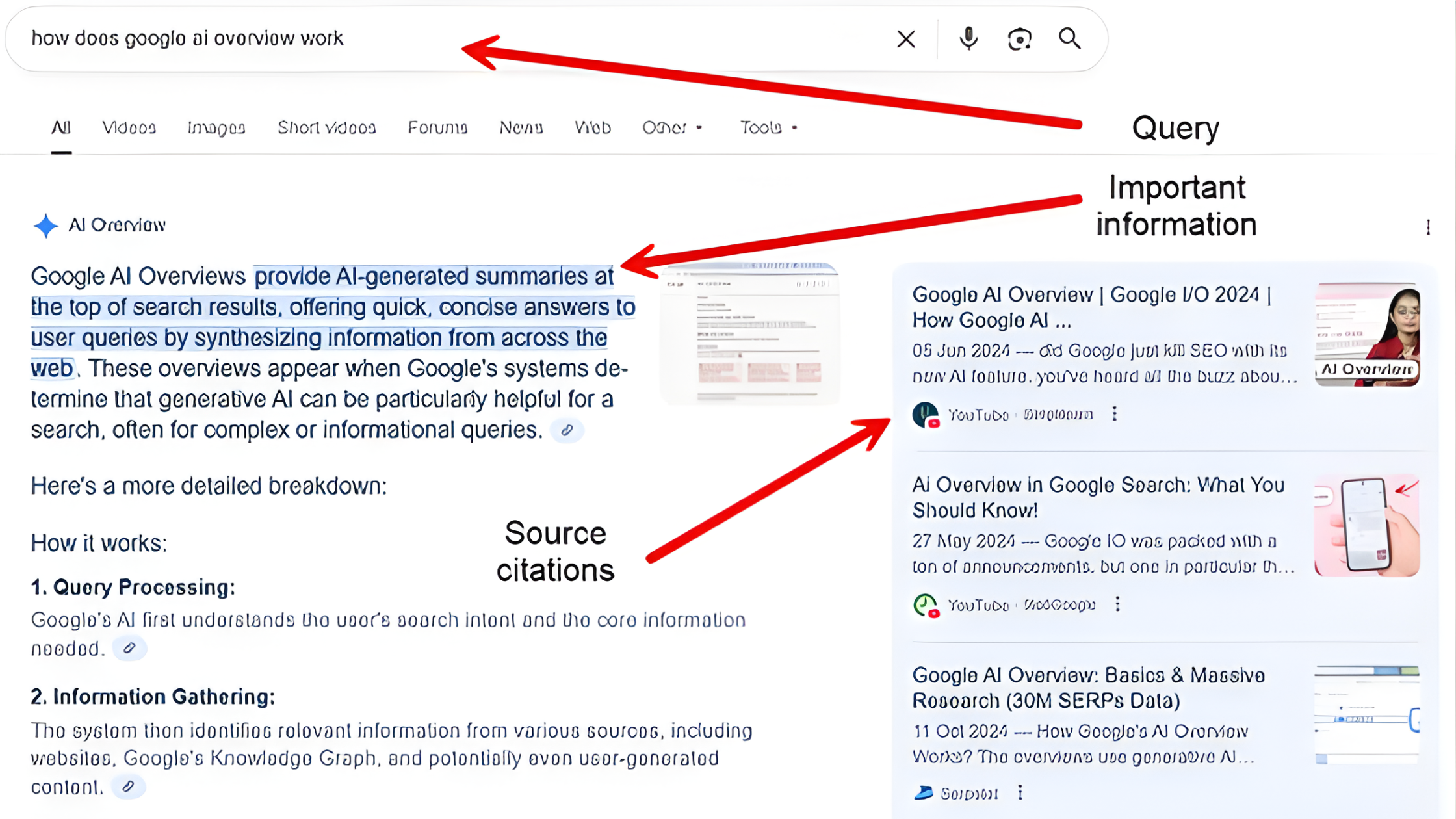
AI systems prioritize:
Clear, structured explanations
Neutral, educational tone
Consistent messaging across the web
Signals of legal expertise and authority
Structured data for enhanced understanding and presentation
On page optimization, including well-crafted title tags, meta descriptions, header tags, URLs, and alt tags
This means your SEO content, directory profiles, and off-site presence all matter more than ever.
GEO Complements SEO—It Doesn’t Replace It
SEO content becomes the raw material AI tools consume. Consistent content marketing and regularly publishing targeted blog posts provide valuable, relevant information that AI uses to generate answers. GEO is about optimizing that content for how AI interprets and presents information.
In other words:
SEO builds the library. GEO ensures AI pulls your book off the shelf.
Pillar 3: PPC & Digital Advertising – Capturing High-Intent Demand Immediately

While SEO and GEO build long-term authority, PPC captures urgency. For law firms, ppc advertising, digital advertising, and a well-structured marketing campaign are essential strategies to capture high-intent demand and reach potential clients at the moment they are searching for legal services.
Family law is one of the most intent-driven legal markets. When someone searches:
“divorce lawyer near me”
“emergency custody attorney”
“restraining order lawyer today”
They’re not browsing—they’re acting.
PPC campaigns allow law firms to bid on specific high-intent keywords, such as ‘personal injury lawyer’ or ‘attorney for car accident injuries’, ensuring their ppc ads appear at the top of search engine results. By strategically allocating your ppc budget, you can increase brand awareness, support sales activation, and build trust through targeted digital advertising. Law firms typically spend an average of $3,000 to $5,000 per month on ppc advertising, with the average cost per click (CPC) ranging from $80 to $300 depending on the practice area and competition. PPC advertising can be a game-changer for law firms looking to expand their online presence and generate leads, often generating twice the number of website visits compared to SEO efforts.
To maximize ROI and avoid wasting money on ineffective marketing efforts, it’s critical to focus on key metrics such as website traffic, website visits, engagement, and conversion rates. Tools like Google Analytics and Google Keyword Planner help track search queries, analyze search traffic, and optimize your marketing campaign. Google Ads offers features like performance ads, which allow access to all ad inventory channels from one campaign, and responsive search ads (RSAs), which adapt messaging to increase conversions. PPC campaigns require constant tweaks, updates, and optimizations to remain effective and maintain strong search engine rankings.
By monitoring key metrics in Google Analytics, law firms can evaluate the effectiveness of their PPC campaigns, understand user behavior, and make data-driven decisions to improve their marketing strategy and increase client acquisition.
Why PPC Is Critical for Family Law
Immediate top-of-page visibility in search engine results, allowing your law firm to appear above organic listings and competitors in search engine rankings.
Predictable lead flow by targeting high-intent keywords and search queries such as “personal injury lawyer” or other legal services, ensuring your ppc ads reach users actively seeking your expertise.
Control over messaging during emotional moments with responsive search ads (RSAs) that adapt to show the most relevant messages to potential clients, increasing the likelihood of conversions.
Data-driven insights: PPC campaigns provide detailed analytics on website traffic, website visits, search traffic, and key metrics like click-through rates, conversion rates, and ROI. Using tools like Google Analytics and Google Keyword Planner, you can track campaign performance, optimize for better results, and inform your SEO and content strategy.
PPC is especially powerful when aligned with:
Specific practice areas and high-intent keywords (e.g., “car accident lawyer,” “attorney for car accident injuries”) to attract qualified leads for your legal services.
Local intent, ensuring your ppc campaigns target users in your geographic area who are most likely to convert.
Strong landing pages and intake systems that convert website visits into leads and retained clients.
Additional facts:
PPC for law firms allows you to bid on specific keywords related to your legal services, targeting users at different stages of the decision-making process.
Law firms typically spend an average of $3,000 to $5,000 per month on PPC advertising, with the average cost per click (CPC) ranging from $80 to $300 depending on practice area and competition.
PPC advertising can be a game-changer for law firms looking to expand their online presence and generate leads, often generating twice the number of visitors compared to SEO efforts.
To maximize ROI and avoid wasting money on ineffective marketing efforts, PPC campaigns require constant tweaks, updates, and optimizations.
PPC can be used for both brand growth and sales activation, and Google’s performance ads allow you to access all ad inventory channels from one campaign, simplifying management and increasing reach.
PPC Is Not a Replacement for SEO
Paid ads stop the moment you stop paying. SEO and GEO keep working.
The smartest firms use PPC to:
Fill pipeline gaps
Test messaging
Capture high-value cases while organic visibility grows
Additionally, insights from PPC campaigns—such as top-performing keywords and ad copy—can be used to inform and enhance ongoing SEO efforts, leading to better overall marketing performance.
The Role of Reddit, YouTube, and Community-Based Search

Search doesn’t only happen on Google—or in AI tools. Today, potential clients are turning to platforms like Reddit and YouTube with specific search queries to find answers, recommendations, and legal insights. By understanding these search queries and implementing strategic content marketing, law firms can influence search results across these channels, increasing their visibility and authority where clients are actively seeking information.
Reddit: The Trust Layer
Many family law prospects turn to Reddit for anonymous, real-world perspectives:
r/divorce
r/legaladvice
r/custody
While law firms shouldn’t aggressively advertise on Reddit, your content can still influence these conversations when it’s referenced, linked, or echoed by users.
SEO-driven educational content often finds its way into Reddit threads organically. Well-crafted blog posts and strategic content marketing can be referenced and shared in Reddit discussions, increasing your law firm’s visibility and credibility. Any advertising on Reddit should give users useful content so you can build credibility. Ex: child custody checklist, divorce mediation guide.
YouTube: Visual Trust-Building
YouTube is the second-largest search engine in the world.
Family law clients search for:
“What to expect in divorce court”
“Child custody explained”
“Divorce mediation process”
Video content:
Humanizes attorneys
Builds familiarity before consultations
Reinforces authority across Google and AI results
Content marketing plays a key role in creating video content that targets specific search queries on YouTube and Google, ensuring your videos are discoverable by potential clients searching for legal information.
YouTube also feeds Google search and AI overviews.
Online Directories: Avvo, Justia, and Beyond
Legal directories remain powerful authority signals.
Platforms like:
Avvo
Justia
FindLaw
Serve multiple roles:
Ranking in Google
Feeding AI trust signals
Influencing comparison-stage clients
Optimizing your Google listings and ensuring your law firm is accurately represented on Google Maps are also essential steps for improving visibility in local search results. Citations from these directories—your business name, address, and phone number—are important for local SEO rankings. Additionally, obtaining referring links and backlinks from local online directories can boost your law firm’s authority and improve your local SEO performance.
Why Directories Still Matter
High domain authority
Consistent citations
Optimized Google listings
Quality referring links
Reviews and peer recognition
Often referenced by AI tools
Optimized directory profiles act as supporting pillars for your OmniSearch strategy.
Measuring Success: KPIs and Analytics for OmniSearch Campaigns

A successful OmniSearch strategy isn’t just about launching campaigns—it’s about knowing what’s working, what’s not, and where to invest next. For family law firms, tracking the right key performance indicators (KPIs) and leveraging analytics tools is essential to maximize the return on your marketing efforts.
How OmniSearch Creates Search Dominance
When SEO, GEO, and PPC work together:
SEO builds authority and organic reach
GEO ensures visibility in AI-driven discovery
YouTube reinforces trust
Directories validate credibility
Reddit and forums echo real-world relevance
A unified OmniSearch strategy boosts your law firm’s search engine rankings, increases appearances in search engine results and search engine results pages, and maximizes online visibility. This leads to higher website traffic and more opportunities to be seen in search results.
Instead of competing for one position, your firm appears everywhere clients look.
A Unified Search Journey: Real-World Example
A potential client might:
Enter specific search queries like “child custody lawyer near me” into ChatGPT to ask about custody options (GEO)
Read a Reddit thread on divorce experiences
Watch a YouTube video explaining mediation
Google local lawyers and see your firm in the search engine results, both in organic search results (SEO) and paid ads
Click a paid ad during a moment of urgency (PPC), leading to increased website visits
Check Avvo reviews before calling
OmniSearch ensures your firm is present at every step.
The Firms That Will Win the Next Decade
Search engine marketing isn’t dying—it’s evolving.
Family law firms that rely on:
SEO alone
PPC alone
Or ignore AI-driven discovery
Will slowly lose ground.
The future belongs to firms that embrace Unified Search Strategies—where SEO, GEO, PPC, content, video, and directories work together.
OmniSearch isn’t optional anymore.
It’s how family law firms stay visible, trusted, and competitive in a world where search happens everywhere.
Law firm marketing and legal marketing are rapidly evolving, and search engine marketing for lawyers now demands a unified approach that integrates branding, digital advertising, and SEO for true SEO success in the coming decade.