
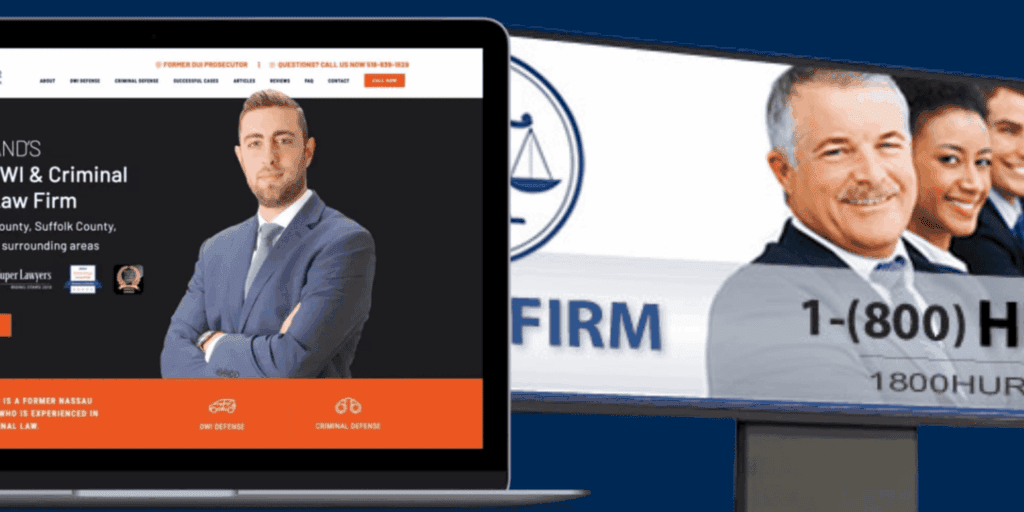
Law Firm Internet Marketing vs Traditional Advertising: Which One Actually Converts?
Key Takeaways When This Approach Makes Sense—and When to Reconsider When it makes sense: Combining channels makes sense when the firm can fund both awareness and demand capture for a meaningful period. When to reconsider: Reconsider a broad media mix when the budget is small or inquiry handling is unreliable. Start with the channels best matched to the immediate goal and expand when there is evidence to do so. Traditional Advertising: Good for Awareness, Weak for Conversions Billboards, bus benches, radio spots, sponsorships—these are familiar tools for law firms. They’re highly visible and can build recognition over time. But here’s the problem: they rarely capture intent. Someone driving past a billboard about a car accident lawyer isn’t necessarily injured. The same goes for ads about DWI or even divorce. Even if they remember your name, it may fade within minutes. Traditional ads are great at one thing: reminding the public that you exist. They do not track performance clearly, do not allow instant interaction, and offer no way to follow up with people who showed interest. For attorneys seeking long-term brand recognition, traditional channels may still have a place. For firms that want immediate signed clients, they fall short. Law Firm Internet Marketing: Built for Action Online marketing changes the game. It places law firms directly in front of prospects who are ready to act. That makes digital campaigns inherently more conversion-focused. Whether through SEO or paid campaigns, online channels capture people who are actively seeking legal help. Here is how internet marketing outperforms traditional media for law firms: Instead of shouting to the entire city, internet marketing speaks quietly to the right person at the right moment. Cost Efficiency: Measured vs. Guessed Results Traditional advertising requires large upfront spends with no guaranteed return. Once a billboard is up or a radio slot is paid for, that money is gone—whether the phone rings or not. Internet marketing is measurable. Attorneys can see which keywords triggered calls, which pages drove the most signed cases, and what percentage of site visitors converted. That data allows campaigns to improve over time. A traditional billboard cannot be edited after printing. Online ads can be adjusted at anytime. The Winning Formula for Law Firms For attorneys in competitive practice areas and markets, internet marketing is the only channel that consistently delivers qualified leads at scale. Traditional advertising, however, still plays a powerful role—not by driving immediate cases, but by creating recognition and trust. When someone injured in an accident or charged with a crime starts searching online, they’re far more likely to click on a name they’ve seen repeatedly on billboards, buses, or TV. This is why firms like Diamond & Diamond dominate their markets: people feel they “already know them” because their ads are everywhere. That visibility translates into branded searches (e.g., “Diamond and Diamond lawyer”) and higher click-through rates on online ads. In other words, strong offline presence lowers online acquisition costs and boosts conversion rates. The winning formula is clear: use digital marketing to capture high-intent leads, while using traditional advertising to build awareness that makes those leads easier and cheaper to convert. Online delivers the clients; offline ensures your firm is remembered when it matters most. Digital Out-Of-Home: The Digital Evolution of Traditional Advertising That said, traditional media itself is changing. Traditional billboards and transit ads have always been about visibility, but Digital Out-of-Home (DOOH) takes that visibility into the modern age. With DOOH, lawyers can buy ad placements on billboards, transit screens, mall screens, and other public displays the same way they buy Google or Facebook ads—through digital platforms that allow targeting, scheduling, and performance tracking. Unlike old-school billboards, DOOH has: For law firms, Digital Out-Of-Home is the best of both worlds: the mass visibility of traditional advertising combined with the precision and measurability of digital marketing. It reinforces brand awareness while tying back into your online campaigns, helping you dominate both the streets and the search results. What to Measure Through to Signed Clients Compare total spend, qualified inquiries, consultations and signed clients using consistent definitions. Use source-specific contact paths where appropriate and ask prospects how they found the firm. Evaluate awareness with reach and branded-demand trends, keeping modeled or self-reported attribution distinct from confirmed campaign links. Your Next Step Review the right channel mix for your firm.