

Key Takeaways
- More marketing activity does not automatically mean more signed clients. The missing connection may be targeting, intake or measurement.
- This guide explains how to choose channels around the matters you want, set a workable budget and find where qualified opportunities are being lost.
- Real examples show how connected campaign and client data can change the decisions a firm makes.
Introduction to Law Firm Marketing
Law firm marketing helps a legal practice reach prospective clients, earn their trust and create opportunities for new matters. A useful strategy starts with the work your firm wants and follows the path from first contact to signed client. Advertising, content and referrals have different roles; none can compensate indefinitely for unanswered inquiries or poor measurement.
What Is Law Firm Marketing—and What Should It Achieve?
A law firm marketing strategy connects business goals with audiences, messages, channels, budget and measurement. Its purpose might be to attract more qualified consultations, grow a practice area or build awareness in a new market. Define the outcome before buying a service. Ten suitable inquiries can be more valuable than a hundred contacts outside your jurisdiction or practice area.
The Evolution of Law Firm Marketing

Referrals and professional relationships remain important. Prospective clients may also search online, read reviews, watch an attorney explain an issue or ask an AI tool for information before contacting a firm. The journey can involve several sources, even when the final inquiry arrives as a phone call.
Build a consistent explanation of who you help and how to take the next step across those touchpoints. Ask new clients how they heard about you and combine their answers with available tracking. Neither a website report nor a single attribution label captures every influence on a hiring decision.
Developing Your Law Firm’s Marketing Strategy

Start with the matters you want and the capacity to handle them. Identify priority practice areas, locations, typical matter value and the number of new clients your team can realistically serve. Include the time required for consultations and follow-up, not just legal delivery.
Work backward from the goal. For illustration, if a firm wants eight additional clients and signs 25% of qualified inquiries, it needs roughly 32 qualified inquiries. That is a planning assumption, not a forecast. Replace it with the firm’s observed rates and check how long matters take to sign.
Audit the current path before adding channels. Review how people find you, which inquiries qualify, whether calls are answered, how forms are routed and where prospects stop progressing. A campaign problem calls for a different response from an intake bottleneck.
Give each channel a job. Search can reach people actively looking for counsel; educational content can support research; video or outdoor media can build familiarity. Select a manageable mix based on the market, budget and evidence rather than trying every platform at once.
Agree on responsibilities and a review schedule. Name who manages campaigns, maintains the website, responds to inquiries and records outcomes. Review lead quality and client acquisition costs regularly. A practical plan identifies what to test, what to stop and what evidence would justify more investment.
Core Marketing Channels and Foundations to Evaluate
Google Local Services Ads (LSAs)
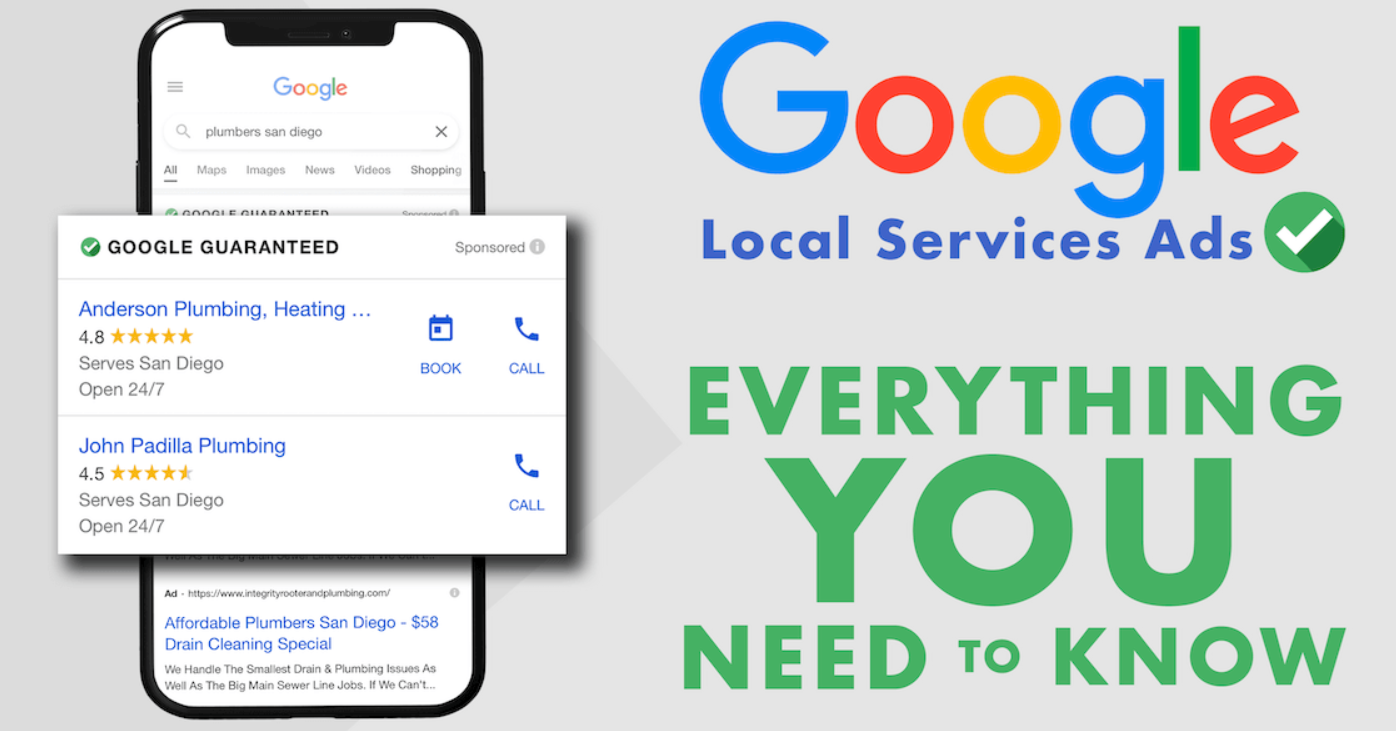
Where the practice area and location are eligible, Local Services Ads can help people find and contact a firm through Google. Google charges for valid leads under its LSA lead model. A billable lead is not necessarily a qualified matter or a signed client, so assess outcomes alongside platform reports.
Google replaced its former LSA badges, including Google Screened, with Google Verified. Eligibility requires the applicable screening and verification process. Confirm current requirements for your category and market instead of relying on an older setup checklist.
To make LSAs work for your firm:
- Check practice-area and geographic eligibility before allocating spend.
- Complete the applicable verification steps and maintain accurate business details.
- Choose service areas and matter types your firm can handle.
- Respond promptly and record whether each inquiry qualifies and becomes a client.
LSAs are an option to evaluate, not a requirement for every firm. Compare cost per qualified inquiry and signed client with other sources, allowing for differences in case mix and intake performance.
Google Search Ads (PPC)

Google Ads and paid search can reach people searching for a lawyer in a particular practice area or location. Campaigns can begin producing traffic quickly, but placement and profitable results are not guaranteed. Costs, competition, landing pages and the firm’s ability to respond all affect performance.
Before scaling paid search, check that you can:
- Organize campaigns around priority matters and service areas.
- Match ad messages with relevant, easy-to-use landing pages.
- Review search terms and exclude unsuitable searches.
- Test call and form tracking, then connect inquiries to qualification and client outcomes where possible.
In a KJSG family-law engagement, connected tracking, targeted campaigns and a shorter intake path helped more than double qualified leads and clients year over year while reducing cost per lead by 50%. These are results from the combined program, not a promise that Google Ads alone produces that outcome.
Responsive, High-Converting Website
Your website should help a prospective client answer three questions: Does this firm handle my issue? Can it serve my location? What should I do next? Build the experience around those decisions, with clear practice-area information, credible attorney profiles and straightforward contact options.
Test the actual mobile journey: open the page, tap the phone number, submit a test inquiry and confirm where it arrives. A form that looks fine but fails to reach the right person can waste otherwise effective marketing.
Make sure your website includes:
- Accurate calls to action that explain consultation availability and any fees.
- Helpful practice-area pages describing the issues and locations you serve.
- Attorney bios and appropriate evidence that help readers assess the firm.
- Readable mobile layouts, fast loading and clear navigation.
- Working forms, phone links and lead routing, checked after site changes.
If traffic is arriving but qualified inquiries are scarce, review the page and contact experience before increasing the media budget. Ask whether the offer, geography, matter type and next step are clear.
Local SEO and Google Business Profile Optimization

Local visibility matters when prospective clients search for counsel nearby. Google describes local ranking in terms of relevance, distance and prominence. Complete, accurate information helps Google and prospective clients understand the firm; it does not guarantee a particular map position.
It starts with a fully optimized Google Business Profile:
- Use an accurate business name, address, phone number and business category.
- Describe the services and locations the firm actually serves.
- Maintain current hours and genuine team or office photos.
- Review the profile when services, staff or office details change.
Keep key business information consistent on reputable legal and local directories. Choose listings people actually use and pursue legitimate community or professional coverage. Evaluate paid directory placements separately from maintaining accurate basic profiles.
Online Reviews

Reviews can help prospective clients understand how a firm communicates and treats people. They are one piece of evidence alongside practice fit, attorney experience and the consultation. More five-star reviews do not guarantee more clients.
Use a consistent, neutral request process rather than asking only clients expected to respond positively. Google prohibits selectively soliciting positive reviews and incentivized reviews. Review requests, testimonials and public replies should follow the firm’s applicable professional obligations, including confidentiality.
Prioritize:
- Prioritize profiles your prospective clients use.
- Make it easy to leave honest feedback without prescribing a rating.
- Keep requests consistent rather than relying on a one-time campaign.
- Handle concerns respectfully without disclosing matter details in public replies.
Use recurring feedback to improve the client experience as well as the firm’s public reputation. Review collection should support trust, not become a target that encourages pressure or selective solicitation.
Building a Strong Online Presence
A coherent online presence means people encounter the same accurate practice areas, attorney credentials, service locations and contact details wherever they research your firm. A smaller set of useful, maintained pages is preferable to many abandoned profiles or repetitive articles.
Connect your website, business profile, relevant directories and selected social channels. Review whether each helps someone understand the firm or take a useful next step. Visibility is only valuable when it reaches suitable people and supports their decision.
Types of Content That Support a Hiring Decision
Build content around the questions prospects ask before and during consultations. Select formats your team can produce accurately and maintain. The following are options, not a requirement to operate every type of publishing program.
- Articles: Explain common questions and practical next steps, with attorney review and jurisdictional context.
- Videos: Introduce attorneys or explain what a consultation involves.
- Infographics: Clarify a process or timeline without implying that every matter follows the same path.
- Podcasts: Consider them when you have a defined audience, distribution plan and sustainable production capacity.
- Social posts: Adapt useful explanations and firm updates for the audience on each platform.
- Testimonials and case studies: Use appropriate permissions and context; avoid implying that past results predict an individual outcome.
- Email newsletters: Share relevant updates with audiences who can appropriately receive them.
- Guides: Help readers prepare for a decision or consultation.
- Webinars: Address a focused topic with a clear audience and follow-up plan.
- Directory profiles: Keep credentials, practice areas and contact information accurate.
Start with the format most likely to help your priority audience. Measure useful actions—qualified inquiries, consultation preparation or relevant referrals—alongside reach. Repurpose strong material before adding another publishing commitment.
Social Media Marketing for Law Firms
Social media marketing can support awareness, professional relationships and education. Decide whether the goal is reaching referral partners, helping prospective clients understand an issue or distributing useful content. Organic posting and paid campaigns require different plans and should be evaluated separately.
Platforms, Trends, and Engagement Strategies
Choose platforms based on audience fit. A business-law practice may test professional content and outreach on LinkedIn; a consumer practice may find useful audiences on other platforms. Validate the fit with actual inquiries and engagement from relevant people rather than assuming that every firm needs the same channels.
Give each campaign a clear message and next step. Decide who monitors incoming messages and how suitable inquiries reach intake. Avoid treating public comments as private consultations. For paid campaigns, verify the platform’s current targeting options and restrictions before promising a particular audience.
Additional Strategies to Test When the Foundations Work
Video Content for YouTube and Social Media

Video can help people hear an attorney explain an issue and understand the firm’s approach before contacting it. Test a few useful topics with clear audio and straightforward production. Video is an option with production and distribution costs, not a prerequisite for every firm.
Start simple. Create:
- FAQ Videos: Answer common client questions like “How is custody determined in New Jersey?”
- Tips & Explainers: Share legal insights in your practice area.
- Intro Videos: Introduce yourself, your team, and your approach.
- Client Testimonials: Feature satisfied clients sharing their experiences and successful outcomes.
Distribute this content across:
- YouTube (for search visibility and SEO)
- Instagram Reels and Facebook Stories (for discovery)
- LinkedIn (especially for B2B or professional services)
- Your website and landing pages (to improve conversion rates)
- Repurpose video content into social media posts to maximize reach and engagement.
Evaluate video against its intended role. For an introductory video, useful measures may include relevant viewing and consultation feedback; for a paid campaign, include qualified inquiries and downstream outcomes where attribution is available.
Digital Out-of-Home Advertising (DOOH)

While most firms compete online, DOOH is your chance to get noticed offline in high-traffic, high-visibility spaces. Think digital screens in apartment lobbies, gyms, gas stations, office elevators, or highway billboards.
DOOH is ideal for building awareness in your local community. You’re not asking someone to call you immediately—you’re planting the seed so when they do need legal help, they remember your name.
Venues to consider:
- Fitness centers and wellness studios
- Grocery stores and pharmacy screens
- Public transit hubs
- Residential buildings in affluent neighborhoods
In one KJSG personal-injury case study, a digital out-of-home campaign generated more than two million impressions and coincided with a 10% year-over-year increase in branded searches at less than half the previous billboard budget. That association does not prove DOOH caused every additional search. Set an awareness objective and a measurement plan before buying placements.
Educational Lead Magnets

A useful guide can help people who are researching an issue before they are ready to contact a lawyer. Decide whether the resource should be freely accessible or whether an optional email exchange serves a clear purpose. Explain the follow-up people can expect and keep the form proportionate.
Create downloadable resources like:
- “The Complete Divorce Planning Checklist for Parents”
- “What to Do Immediately After a DWI Arrest in NJ”
- “Estate Planning Essentials: A Guide for First-Time Homeowners”
Use these guides to:
- Collect leads who aren’t ready to hire yet
- Nurture contacts with educational follow-ups to engage and convert prospective clients
- Build authority and trust before the first call
Connect downloads to a useful follow-up process and evaluate how many contacts become suitable inquiries. A large email list is not the same as a pipeline of likely clients. Repurpose the strongest explanations into articles and short videos.
Content Strategy for AI and Answer-Based Search

Prospective clients may use AI-assisted search to research legal questions alongside conventional search and referrals. Create explanations that remain useful whichever interface leads someone to your website.
Answer the question clearly, identify the relevant jurisdiction and show who reviewed the content. Google’s guidance for generative AI search emphasizes useful, original content and warns against unsupported optimization tricks. Clear formatting helps readers but does not guarantee selection or citation.
Tips for AI-optimized content:
- Answer real client questions in plain language.
- Include jurisdiction, limitations and meaningful review dates.
- Use descriptive headings and relevant internal links.
- Make important information available as readable text.
- Use accurate structured data where appropriate; there is no special schema required for generative AI search.
Keep the priority on reliable information and a good reader experience. Do not promise AI citations, featured snippets or lasting visibility from formatting changes alone.
Visibility in AI Search Tools

Visibility depends on more than wording. Check that important pages can be crawled and indexed, and review the search or AI controls offered by the platform. Inclusion requirements differ between platforms and can change.
To increase your visibility in these environments:
- Review indexing and crawl access for important pages.
- Keep business details and attorney information consistent.
- Update content when facts change, rather than changing dates alone.
- Monitor available referral traffic and ask clients how they found the firm.
Google also documents eligibility and site controls in its AI search guidance. Review the current controls before changing access to your content.
A useful test is whether the page answers the reader’s question and supports a sensible next step even if it never receives an AI citation.
Presence in Online Legal Directories

Legal directories can give prospective clients another way to research attorneys. Assess a directory’s relevance in your practice area and market before paying for placement. A basic profile, an award listing and a paid lead product are different purchases.
Claim and optimize your listings with:
- Up-to-date contact details and office hours
- Comprehensive bios and service areas
- Awards, associations, and speaking engagements
- High-quality headshots and logos
Track referral visits and inquiries where possible, then compare qualified opportunities and signed clients with the full placement cost. Keep credentials and contact details current. Do not assume that paying for a directory listing improves Google rankings.
Marketing for Small Law Firms: Challenges and Opportunities

For a small firm, the main constraint is often the capacity to fund, manage and follow up on several channels. Begin with a defined practice area and market. Separate media spend, management, technology and content costs so the plan is affordable over the testing period.
Build a small library of helpful practice-area pages and answers to recurring consultation questions. Assign an attorney to review accuracy and a person to maintain the pages. Publishing volume is less useful than material that addresses a specific decision.
Protect the sources already producing suitable clients, including referrals. Test one additional channel or improvement at a time when the budget is limited. Include staff time in the cost: organic social and newsletters still require planning and follow-up.
Before expanding advertising, set a test budget, expected range of inquiries and a decision date. If the budget cannot buy enough relevant traffic to learn, narrow the market or test a different approach. Evaluate paid search and eligible LSAs against the firm’s economics rather than assuming both must be funded.
Practice Area Marketing: Standing Out in Your Niche

Different matters create different hiring journeys. A person facing an urgent criminal charge may need immediate contact; someone considering divorce may research privately for weeks. A business owner may rely heavily on professional referrals and evidence of relevant experience.
Reflect those differences in the message, page and contact options. A family-law page can explain consultation preparation and the issues the firm handles. A business-law page can clarify the types of companies and matters the team supports. Avoid treating a practice-area name as the only difference between campaigns.
In a KJSG criminal-defense engagement, reviewing three years of lead, client and revenue data informed changes to matter priorities, seasonal planning and the channel mix. The broader program produced 10% more qualified leads year over year while reducing cost per lead by 20%.
The lesson is to evaluate matter quality and timing as well as volume. Those results reflect one firm’s program, not a forecast for another practice or proof of a single channel’s contribution.
Measuring and Optimizing Your Marketing Efforts

Use website analytics to understand visits and actions, Search Console to review organic search visibility, and call or intake records to follow inquiries through qualification and signing. Website conversions alone do not establish which sources produced clients. Connect systems where practical and state where attribution remains incomplete.
Review a consistent funnel: inquiry, qualified inquiry, consultation and signed client. Record the reasons opportunities are lost, such as wrong practice area, location, inability to reach the prospect or a consultation that did not progress. Assign responsibility for maintaining those records.
There is no universal minimum percentage of revenue that makes a marketing budget right. Base it on growth goals, capacity, acquisition costs, matter economics and cash flow. Review comparable periods and allow for the delay between an inquiry, signing and collection before deciding whether a channel is profitable.
Bringing It All Together: Your Law Firm Marketing Blueprint

A workable marketing plan makes a few decisions explicit: which clients the firm wants, why selected channels should reach them, how inquiries will be handled and what evidence will guide the next investment.
Here’s how it all ties together:
- First: audit goals, priority matters, current sources and intake readiness.
- Next: fix contact and measurement gaps, then select a focused channel mix.
- During the test: review search terms, inquiry quality and follow-up with the team.
- At the decision point: scale, refine or stop based on qualified opportunities and client outcomes, with tracking limitations made explicit.
Your firm should own the business goals and client decisions. Marketing partners can lead strategy, campaigns, integrations and reporting, while the firm remains responsible for consultations, signing and legal service delivery.
The strongest plan is one your team can execute, measure and improve. Add complexity only when it serves a clear business purpose.
What to Measure Through to Signed Clients
Track qualified inquiries, consultations, signed clients and collected revenue by source using consistent definitions. Include media, management and relevant technology costs. For example, $4,000 in acquisition costs and four attributed new clients equals $1,000 per signed client; it does not establish profit without considering collected fees and delivery costs. Compare like periods and identify tracking or channel changes before interpreting results.
Your Next Step
Review your current sources, intake path and client outcomes before adding more tactics. Explore KJ Strategy Group’s law firm marketing services or book a strategy call to discuss where your firm needs support.